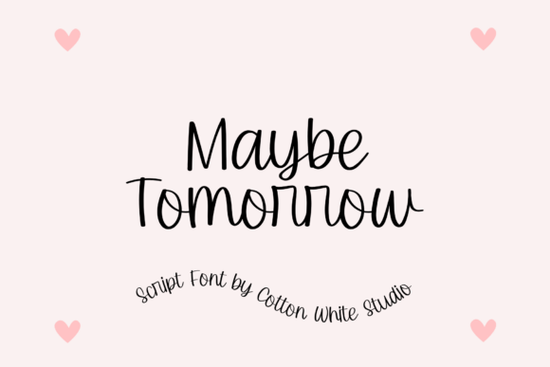
Looking for a handwritten script font that feels natural and inviting without looking overly polished? Maybe Tomorrow is a handcrafted typeface with elegant, flowing letterforms and an authentic hand-drawn character. It works beautifully across a wide range of creative projects from wedding invitations and greeting cards to branding materials and social media posts. If you design for clients, run a small business, or create products for print-on-demand, this font deserves a closer look.
What Can You Use the Maybe Tomorrow Font For?
This is one of those versatile script fonts that doesn't lock you into a single use case. Its soft, flowing strokes give text a personal, handmade quality that works well in both digital and print formats. Here are some popular ways designers and crafters put it to work:
- Wedding invitations and event stationery the elegant letterforms pair well with serif or sans-serif fonts for a classic look
- Logo design and brand identity ideal for boutique brands, florists, bakeries, and lifestyle businesses
- Social media graphics adds personality to Instagram quotes, Pinterest pins, and story templates
- Blog headers and website accents a nice alternative to overused Google Fonts
- Greeting cards and postcards its warm, approachable style fits holiday, thank-you, and everyday cards
- Planners, journals, and stickers popular among planner communities and Etsy sellers
- Packaging and labels especially for handmade goods, cosmetics, and food products
- Sublimation and print-on-demand designs works on mugs, tote bags, t-shirts, and more
The font's organic feel gives designs a human touch that's hard to replicate with clean geometric typefaces. It reads well at both small and medium sizes, making it practical for real-world applications.
How Does It Compare to Other Handwritten Script Fonts?
If you've browsed script fonts before, you know there's a wide spectrum from loose brush scripts to tight calligraphy styles. Maybe Tomorrow sits in a comfortable middle ground: it's refined enough for formal projects but relaxed enough to feel approachable.
For comparison, Roselya Script leans more toward a classic calligraphy aesthetic with dramatic swashes, while the flowing alternates in Roselya make it a strong pick for luxury branding. If you prefer something with a vintage editorial vibe, Chicago Downton has a distinct old-world charm that works well for menus, magazine layouts, and heritage-inspired designs.
On the softer side, Kindred offers a friendly, rounded script style that pairs nicely with minimal sans-serifs and the warm personality of Kindred makes it especially popular for family-oriented brands. Meanwhile, Wonder Day brings a more playful energy, and the cheerful letterforms of Wonder Day are a great match for kids' products and casual lifestyle content.
What sets Maybe Tomorrow apart is its balance. It doesn't try too hard to be fancy or too casual. The letterforms flow naturally, with enough variation to look hand-drawn but enough consistency to stay readable. You can explore the full details and previews of Maybe Tomorrow to see how it looks across different contexts.
What Fonts Pair Well With Maybe Tomorrow?
Pairing script fonts with the right supporting typeface is one of the easiest ways to make a design look polished. Here are a few combinations that tend to work well:
- With a clean sans-serif (like Montserrat or Poppins) great for modern, minimal layouts where the script acts as a headline accent
- With a classic serif (like Playfair Display or Lora) creates an elegant, editorial feel for wedding suites and upscale branding
- With a simple monospace or slab serif adds contrast and keeps the overall design grounded
A good rule of thumb: let the script font do the talking in headings or short phrases, and use a simpler font for body text. This keeps things readable while letting the handwritten style shine.
Is This Font a Good Fit for Commercial Use?
Yes. The Maybe Tomorrow font comes with a license that covers a wide range of commercial applications, including print-on-demand products, client work, and digital downloads. That said, always double-check the specific license terms before using any font in a commercial project especially if you're selling products at scale or distributing the font itself.
For designers who sell on platforms like Etsy, Redbubble, or Creative Market, having a reliable collection of script fonts is essential. Fonts like Maybe Tomorrow, paired with complementary styles from the same marketplace, give you flexibility across different product types and customer requests.
Quick Checklist Before You Start Designing
- Check the font license make sure it covers your intended use (personal, commercial, POD, etc.)
- Test readability preview the font at the actual size you'll use it in your design
- Pick a pairing font choose a clean sans-serif or serif to complement the script
- Use alternates and ligatures if the font includes stylistic alternates, experiment with them for a more custom look
- Check kerning handwritten fonts sometimes need manual letter-spacing adjustments, especially in logos
- Export and test view your final design on different screens and in print to make sure it looks right
Tip: If you're building a font library for client work or your own product line, start with two or three well-chosen script fonts and a few solid sans-serifs. You'll cover most design needs without overwhelming yourself with options. Take a look at the Maybe Tomorrow font on Creative Fabrica to see if it fits your next project.
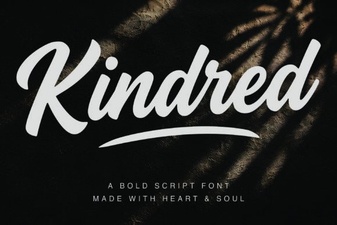 Kindred Font: a Modern Typeface for Creative Projects
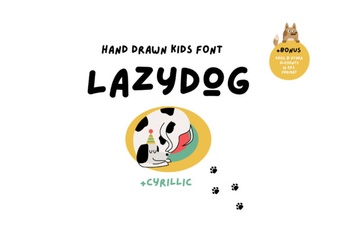 Lazydog Font Free Download - Script Font Collection
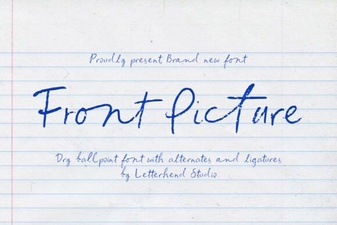 Creative Front Picture Fonts for Eye-Catching Design
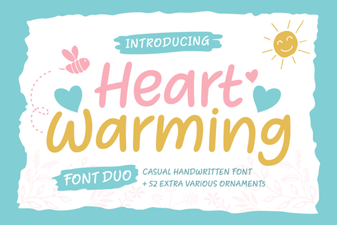 Heart Warming Font – Elegant Script Typeface for Creative Designs
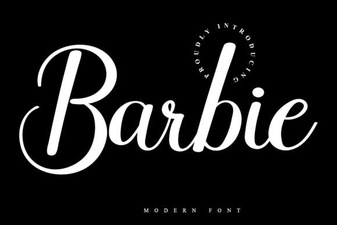 Barbie Font: Elegant Script for Creative Design Projects
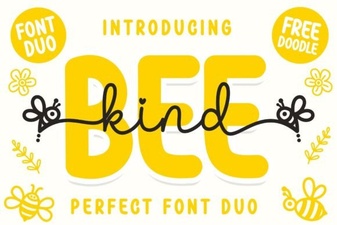 Bee Kind Duo Font: Sweet Handwritten Style for Creative Projects